

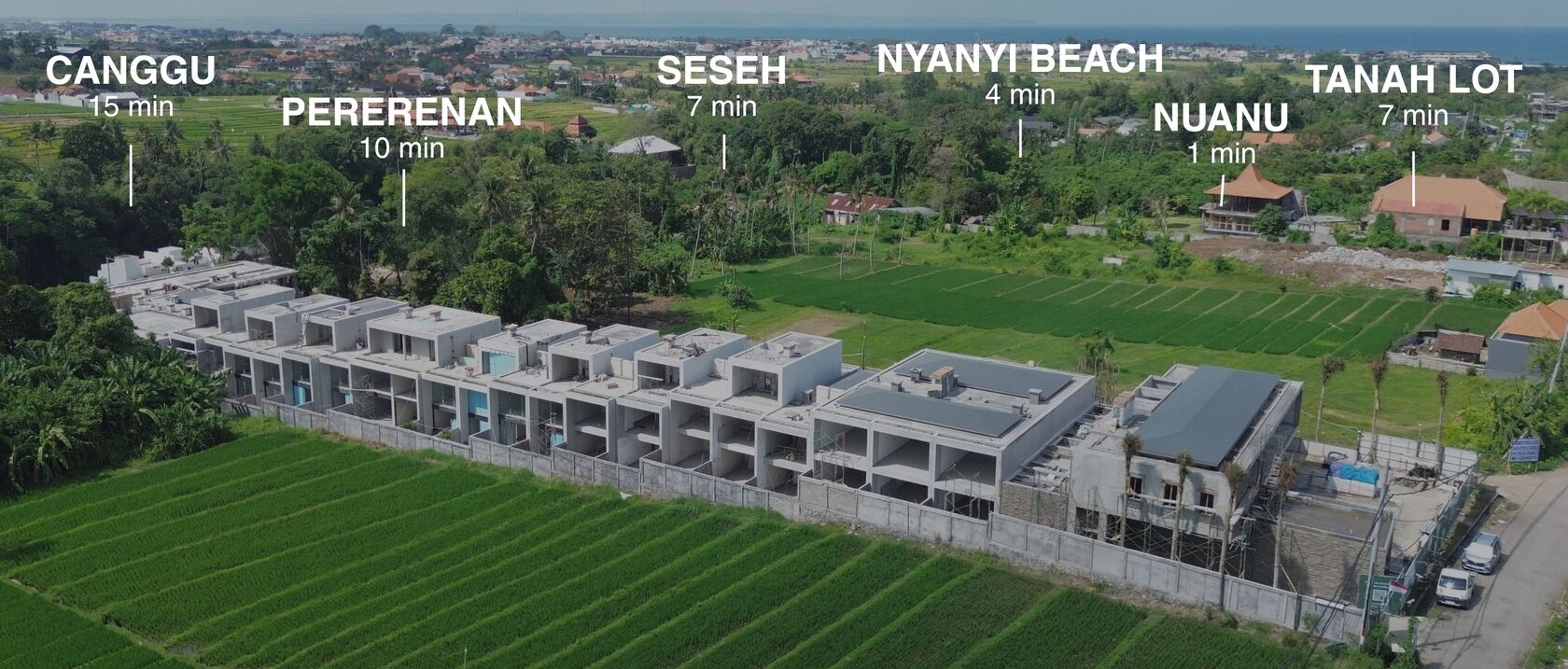
If you’ve spent time exploring Bali’s property market, you’ve probably noticed something: not all locations are created equal. While some neighborhoods promise high ROI, others struggle with oversupply, unreliable infrastructure, or shifting demand trends. For investors, understanding where to buy is just as important as what you buy.
And in Bali, location is more than an address. It’s the heartbeat of your property’s performance — dictating rental demand, capital appreciation, and even regulatory clarity.
Today, we’ll explore why location is the single most powerful growth trigger in Bali real estate, and why emerging areas like Nyanyi are becoming the new frontier for smart investors.
The ROI Multiplier: Why Location Comes First
Tourism is the lifeblood of Bali’s economy, contributing nearly half of the island’s GDP. That means investor returns are directly tied to where visitors choose to spend their time. Demand follows accessibility, lifestyle hubs, and infrastructure upgrades — not just the aesthetics of a building.
Think of it this way:
- A beautifully designed villa in a remote or inaccessible area may stand empty for weeks at a time.
- Meanwhile, a thoughtfully built residence in a well-connected community can achieve high occupancy, steady rental income, and strong resale demand year after year.
When location aligns with the flow of tourism and development, every other factor like design, management and sustainability, is amplified.
Here’s what prime location delivers for investors:
- Higher occupancy for short- and long-term rentals
- Stronger capital appreciation
- Lower risk over the long term
In short, location is the ROI multiplier. It doesn’t just add value, it magnifies it. Choosing the right location ensures that your investment’s returns, resilience, and resale value are all working in your favor.
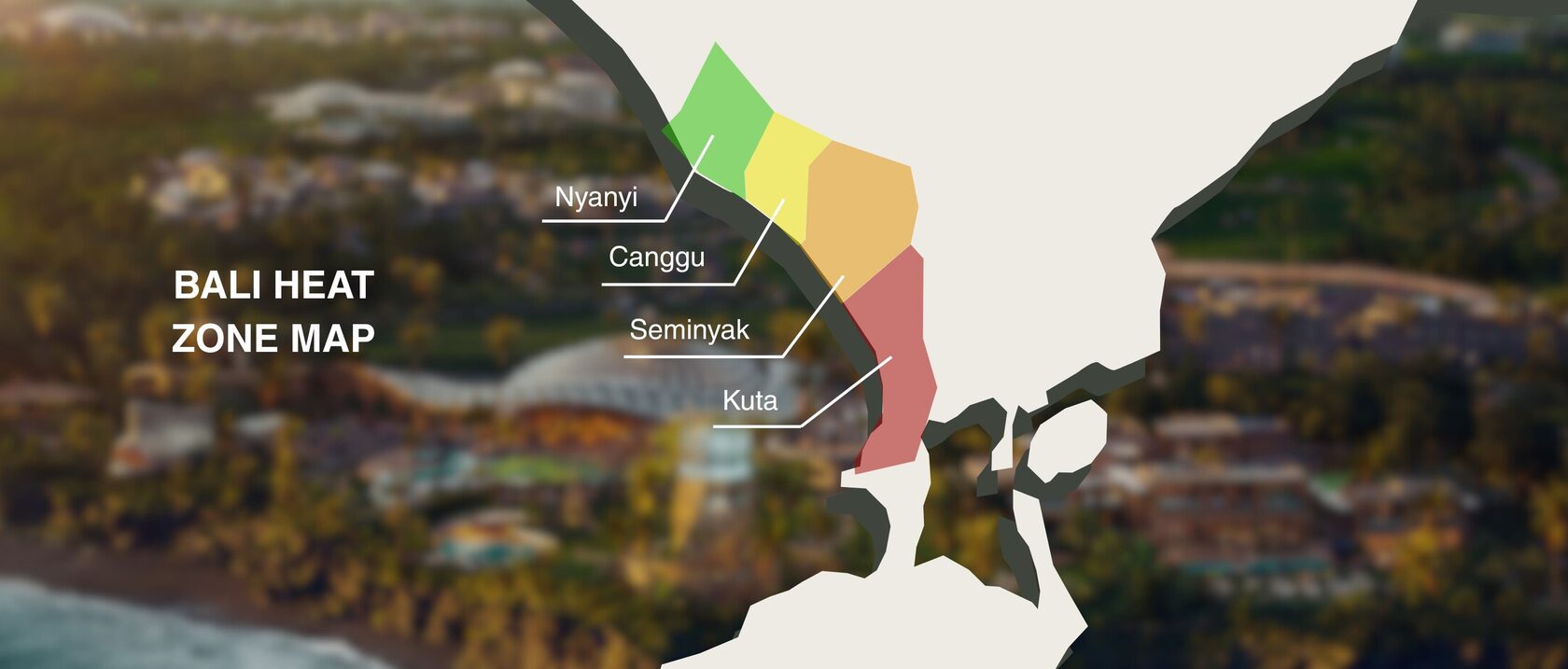
Overheated Zones vs. Emerging Growth Areas
Seminyak, Canggu, Uluwatu and Berawa remain Bali’s most recognizable names, but their very popularity is now eroding returns. Oversupply is real: villa construction continues at a rapid pace, and as Villa Finder notes, many of these properties sit vacant because owners refuse to lower rates. Add traffic congestion and high competition, and yields inevitably flatten.
Gross yields in these areas may look strong on paper, 8–15% according to Bamboo Routes, but after factoring in 30–40% operating costs (cleaning, staff, platform fees, maintenance), most investors see net yields plateau at 5–10%. This is consistent with Global Property Guide’s estimate of Bali-wide gross yields (~6%), which drop further after management and tax deductions.
By contrast, emerging growth areas like Nyanyi, Tabanan, or Seseh combine three factors that push returns higher:
- Scarcity of supply: Limited high-quality developments mean less competition.
- Lifestyle appeal: Access to beaches, wellness hubs, and creative communities.
- Infrastructure upgrades: projects like Nuanu Creative City or new road connectivity drive demand before supply catches up.
While mature zones are stabilizing at 5–10% net yields, these secondary markets can achieve 10–18% ROI, especially for early investors who secure lower entry prices. It is because they strike the balance between lifestyle appeal and limited supply, the perfect combination for sustainable growth.
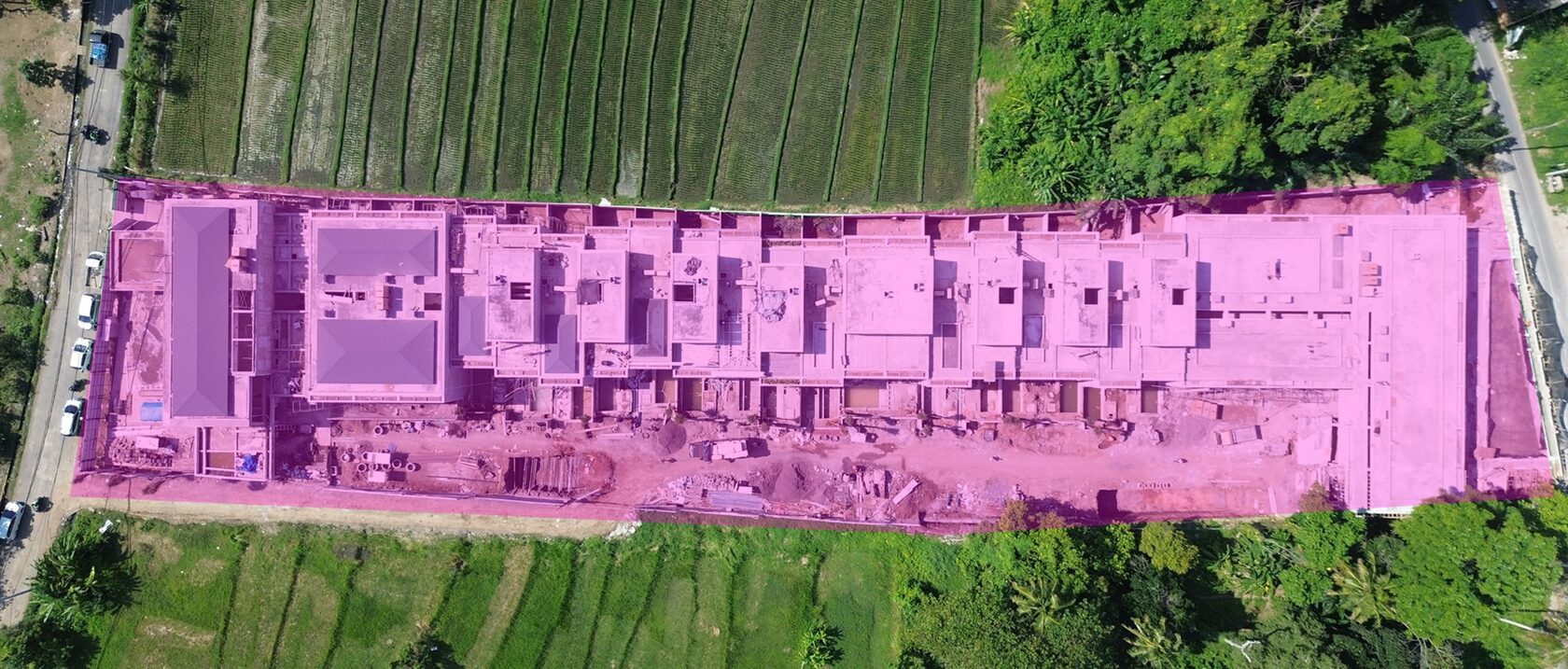
Pink Zone Zoning → Legal Rental Advantage
One of the strongest indicators of a safe and profitable real estate investment in Bali is zoning clarity.
In many areas, land is restricted to residential-only use — meaning you can’t legally run short-term rentals (even if many still do). This creates constant uncertainty and risk of shutdowns or legal disputes.
Nyanyi, however, offers a major green flag as it sits in a Tourism (Pink) Zone.
That means:
- You can legally operate both short-term and long-term rentals, maximizing flexibility and profitability.
- Investors are protected from sudden regulatory crackdowns that can derail ROI.
- The area benefits from government infrastructure upgrades and community facilities that come with tourism zoning.
This zoning clarity doesn’t just reduce risk, it builds confidence. Properties in Pink Zones like Nyanyi enjoy stronger, more stable yields over time because they operate on solid legal ground. It’s one of the most important “green flags” you can check as an investor. For a deeper dive into Bali’s legal landscape, explore our article on Legal Compliance: What Investors Should Know Before Buying Property in Bali.
Secure Your Edge in Bali’s Next Growth Zone
Location is more than scenery — it’s strategy. Choosing Nyanyi today means stepping into Bali’s next chapter of growth, ahead of the curve but with visible proof on the ground.
Want to know the other 9 “Green Flags” to look for in Bali real estate?
Download our free guide: 10 Green Flags Every Investor Should Know Before Buying in Bali.


